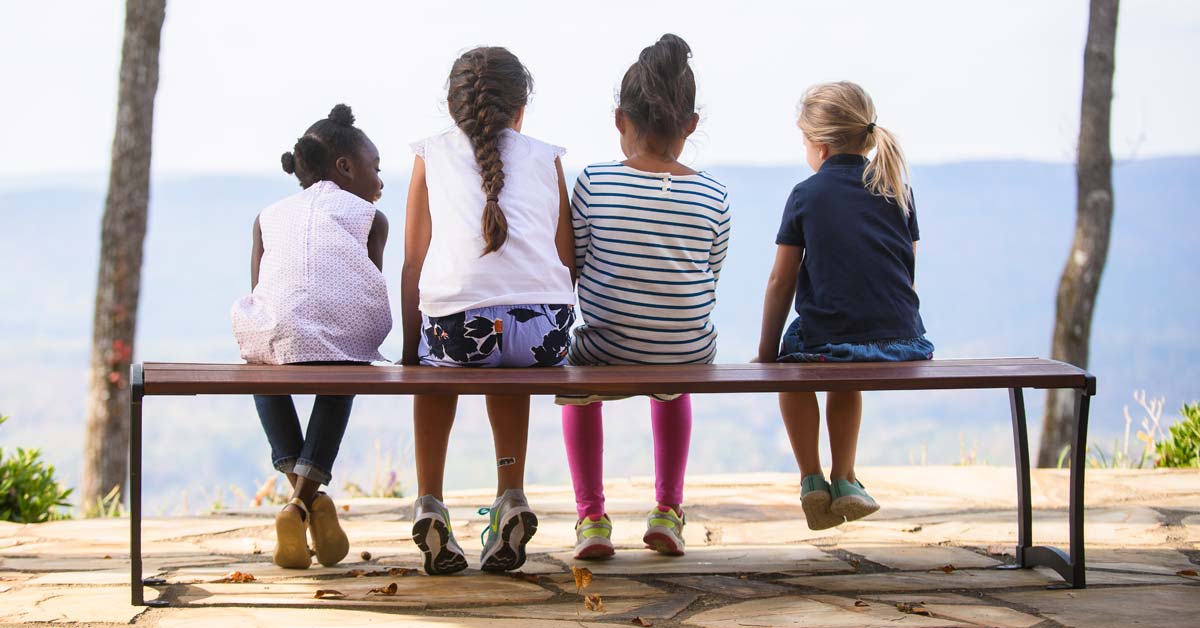
Planning a park project is often a journey of several years rather than a onetime endeavor. As your space matures and you get feedback from guests. You’re sure to discover things that are missing or that you wish you thought of during the initial design phase.
Park Project Details to Keep in Mind
Sure your playground is great but how do you keep families from driving up to the picnic space? You have great benches and even water fountains but you are shocked by how quickly the trash cans fill up. We have our list of 4 park project details our customers say they wouldn’t overlook the next time around.
Playground Borders
If you are choosing a loose fill surfacing, spend the extra money and install playground borders. Technically, if your playground is enclosed by walkways, parking lots, fencing playground borders aren’t required. However, what you save in upfront costs, you just may lose in lost surfacing and extra work. Borders are designed to stick up above the ground and keeping your surfacing in place. While many customers prefer a flush look, other methods of retaining loose fill surfacing do not work as well.
Bollards
Having trouble controlling traffic at your park? If you don’t want to fence in your entire facility, you do have another option for your park project. Bollards are designed to provide an attractive way to keep street traffic out of pedestrian spaces. Close off wide walkways and keep cars out of ungated areas while still allowing foot traffic to pass easily. Bollards are exceptionally helpful for wide jogging trails that may be mistaken for a road and are more attractive than a sign.
Bike Racks
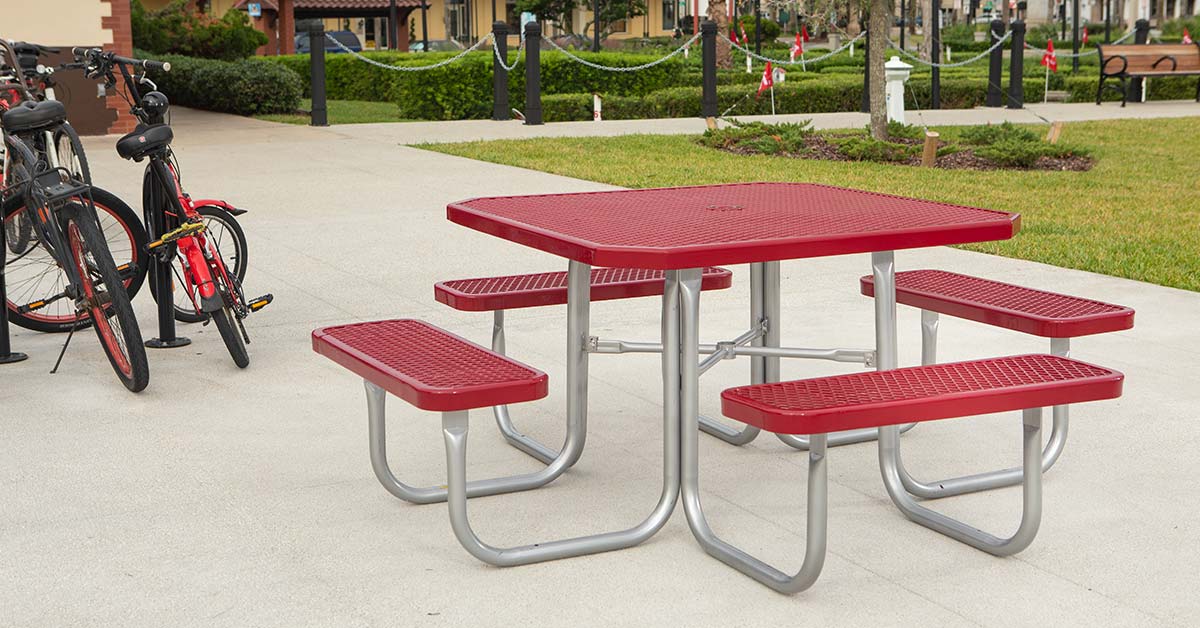
If your space can be accessed on foot you should probably plan to include a few bike racks, at least one by every obvious entrance. Without a proper place to store them, your guest may tie their bikes to tables, benches or trees. This can cause damage and prevent other guests from fully enjoying the park.
Recycling Containers
There is a certain irony when a green space isn’t exactly green. Adding recycling containers not only sends a strong message that you support local recycling efforts but also helps prevent trash receptacles from becoming overfilled too quickly. A green park project projects a sense of social responsibility to your community.
Park Project Inspiration
One way to prepare your own park project is to visit other parks in your area and take a good look around. Do you find that there is enough waste disposal? Do you wish there were more seating options? Are you able to find a comfortable place to relax? What works and what doesn’t? Create a list of everything you like and bring it to the design meeting with you. What is on your park project’s must have list?